Gear
The Bug-Out Bag, Built Right: 72 Hours, One Bag, No Fantasy Gear
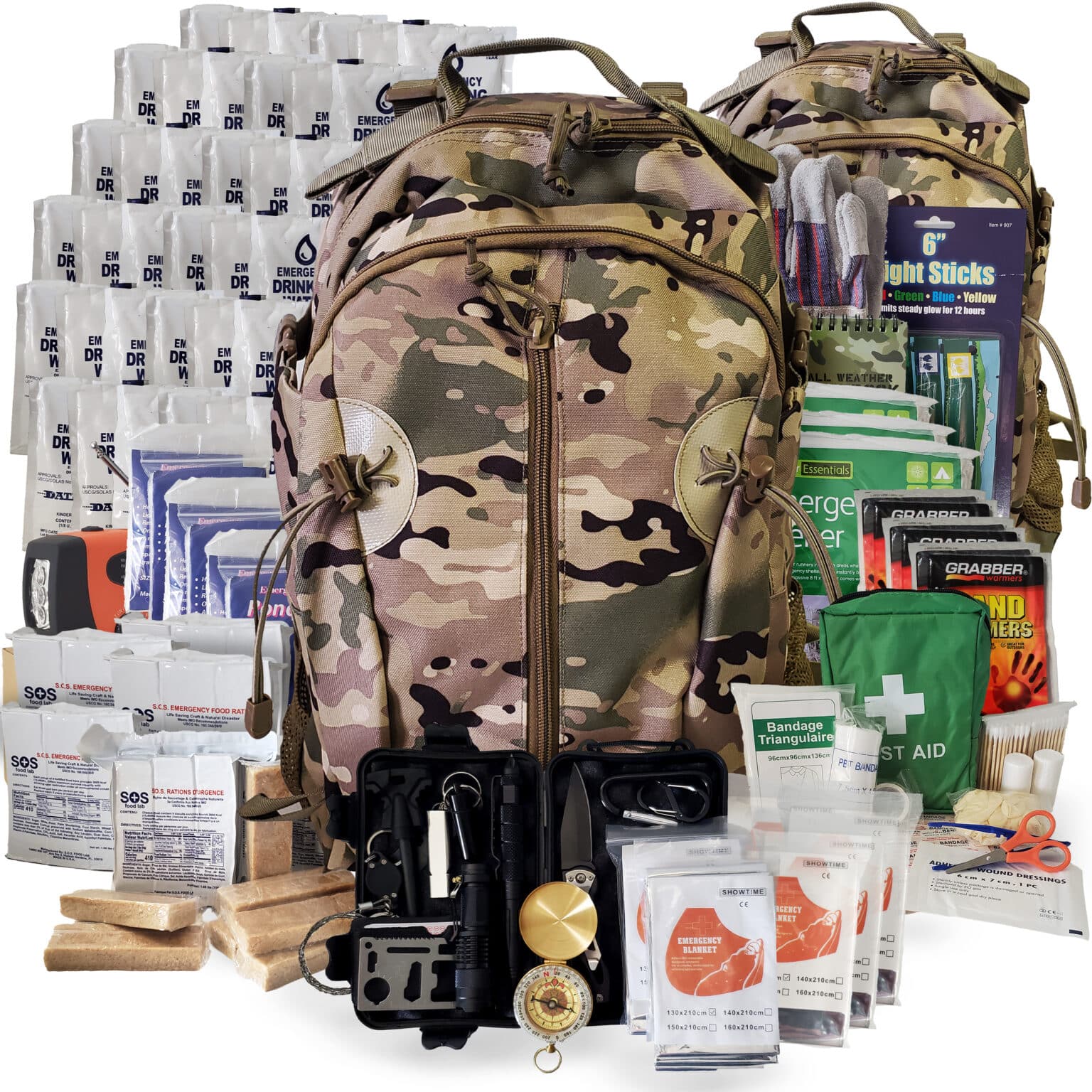
A bug-out bag is a 72-hour bridge: enough water, food, shelter, and tools to get your household from a home that is suddenly unsafe to somewhere safe, on foot if it comes to that. Ready.gov's baseline kit and the Red Cross lists agree on the core, and experienced packers agree on the discipline: every ounce must earn its place, because the finished bag usually has to be carried by a tired person on the worst day of their year.
This guide covers the categories in priority order, a realistic weight budget, and how to use the checklist builder on this site to assemble yours by climate and travel mode.
Quick facts
- Purpose
- 72 hours of self-support while relocating to safety
- Weight budget
- Aim for 15-25% of body weight, all-in; most adults do best at 25-35 lb
- Water reality
- 3 days of water weighs 25 lb alone; carry 1-2 days plus a filter and treatment
- Core order
- Water, shelter/warmth, food, medical, light/fire, comms/navigation, documents
- Maintenance
- Repack seasonally; check batteries, food, and clothing sizes twice a year
Water decides the design
You cannot carry three days of water and much else: water weighs 8.34 pounds per gallon, so 3 gallons is 25 pounds before food or shelter. Real bags carry 1 to 2 liters plus a hollow-fiber filter and chemical treatment, with a plan for the water sources along the route. That is because on foot, the filter is the water supply and the bottles are just the buffer.
Add electrolytes and a collapsible extra container. A 3-liter bladder that weighs ounces empty turns a found water source into a full resupply.
Shelter and warmth beat gadgets
Exposure kills faster than hunger. The shelter layer is a tarp or lightweight tent, a sleeping bag or quilt rated honestly for your climate's worst night, an insulated sleeping pad (the pad matters more than the bag; the ground steals heat all night), and a full change of clothes in a dry bag, with wool or synthetic socks doubled.
Skip the fantasy gear: giant survival knives, fishing kits in deserts, and '20-in-1' tools that do everything badly. A fixed blade or sturdy folder, a real headlamp, and a lighter plus ferro rod cover the actual tasks.
Food: calories that need nothing
Pack food that needs no cooking and no water: bars, nut butters, trail mixes, and a few freeze-dried meals only if your water budget is generous. Target around 2,000 calories a day in dense, familiar food, and eat the oldest rotation through your hiking and car-camping life so the bag never holds expired stock.
Medical, documents, and the unglamorous essentials
A trauma-capable first aid kit (tourniquet, pressure bandage, gauze) plus personal medications for a week, copies of documents in a waterproof pouch and on an encrypted drive, cash in small bills, a paper map of your region, and a written list of contacts and rally points. Phone networks fail in exactly the events that make people move; paper does not.
Step-by-step: put it into practice
Tick each step off as you complete it. Your progress is saved on this device.
Where to buy: we link brands directly until our affiliate reviews are complete. Current plain links:
Sources
Facts checked against the sources above. Last verified: November 11, 2026. If a figure here ever conflicts with an official source, the official source wins, and we want to hear about it via the contact page.