Food storage
Freeze-Dried Food, Explained: Shelf Life, Formats, and What to Buy First
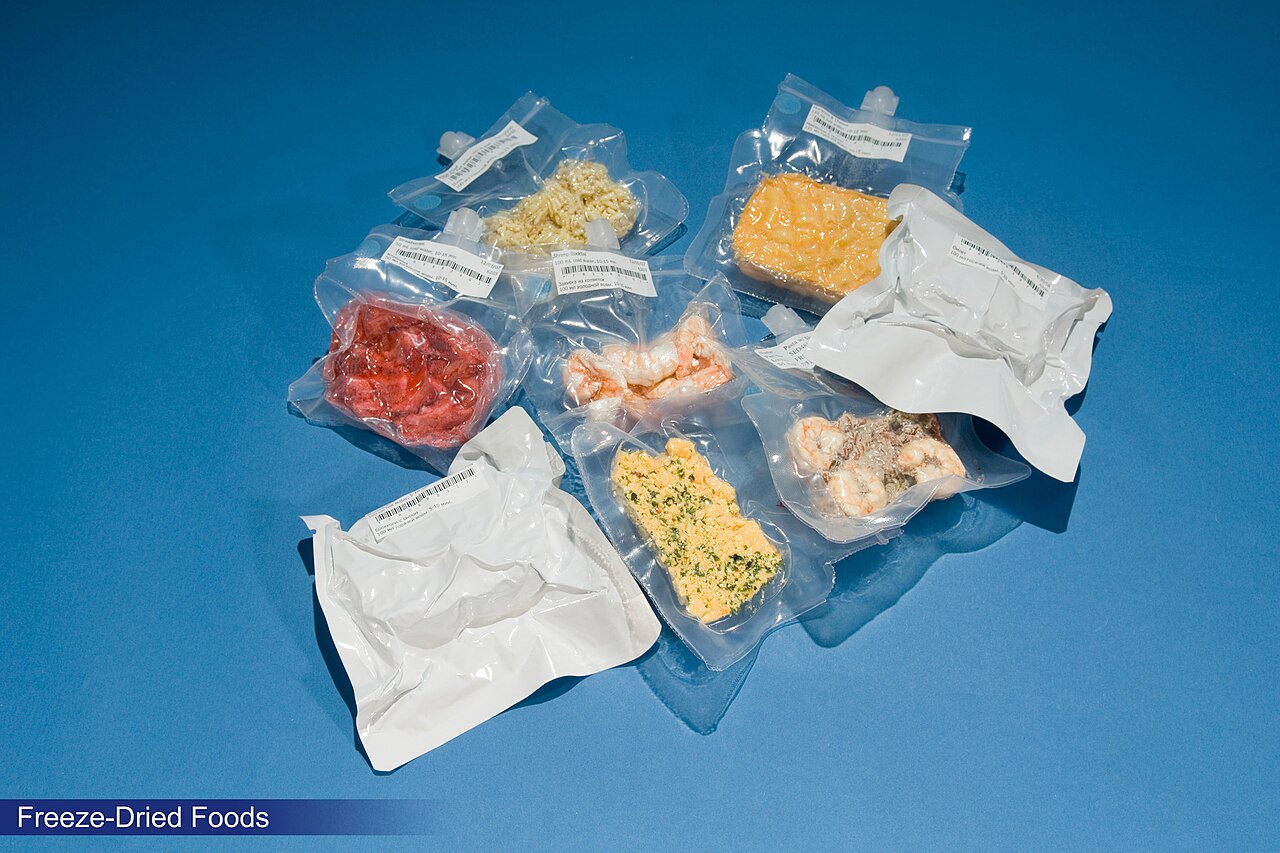
Freeze-drying removes almost all the water from food while it is frozen, under vacuum. With the water gone, bacteria and mold have nothing to grow in, and the food keeps for decades instead of months. That is why freeze-dried meals sit at the center of almost every serious long-term food storage plan: they are light, they need no refrigeration, and most only need hot water to become a meal again.
This guide covers what the shelf-life claims actually mean, how the three common formats compare, what a serving really contains (this is where marketing gets slippery), and a sensible buying order if you are starting from zero.
Quick facts
- Typical shelf life
- Up to 25-30 years sealed, stored cool and dry (manufacturer-stated)
- Weight vs. canned food
- About 70-80% lighter for the same calories
- Calories per pouch meal
- Roughly 250-600; always check the label, not the marketing
- Storage conditions
- Cool (below 75°F), dry, dark, sealed until use
- After opening
- Days to weeks for pouches; weeks to a few months for #10 cans, resealed
How freeze-drying works
Food is frozen solid, then placed in a vacuum chamber. The ice inside turns straight to vapor without passing through a liquid phase, a process called sublimation. Because the food never gets hot, it keeps most of its shape, flavor, and nutrients, and it rehydrates close to its original texture.
Contrast that with dehydrated food, which uses warm air. Dehydration is cheaper and fine for fruits, jerky, and vegetables, but it leaves more moisture behind, changes texture more, and usually carries a shorter shelf life. Most preparedness brands sell a mix of both, so read labels: a 'freeze-dried' bucket may contain dehydrated components.
What '25-year shelf life' really means
Shelf-life claims assume the food stays sealed in its original packaging with oxygen absorbers, stored in a cool, dry, dark place. Heat is the enemy: a bucket in a 110°F garage ages far faster than the same bucket in a 60°F basement. Manufacturers' claims are best-case figures from their own testing, and the honest way to read them is 'up to' numbers under good storage.
Rotation still matters. Even with long-life food, keep a working pantry of everyday items you actually eat, and let the deep storage sit behind it. Food nobody will eat is not a plan, it is a donation waiting to happen.
Formats compared: pouches, #10 cans, and buckets
- Pouches: single meals or a few servings. Best for bug-out bags, car kits, and trying a brand before committing. Most expensive per calorie.
- #10 cans: the big coffee-can size, typically 20-40 servings of one ingredient or meal. The workhorse of long-term storage; sturdy, rodent-resistant, resealable with the plastic lid after opening.
- Buckets: usually hold many pouches or loose product with Mylar liners. Convenient grab-and-go stacks, but compare the actual calories inside, not the serving count on the label.
- Bulk ingredients: #10 cans of rice, beans, oats, and powdered milk from storage-food brands. Cheapest calories of all, but you cook from scratch.
The serving-count trap
A '1-year supply' advertised as 1,800 servings sounds enormous until you do the math: that can be under 1,200 calories a day, well short of what an active adult burns. Always convert any kit to calories per person per day before comparing prices. A real target for most adults is around 2,000 calories a day, more for large or very active people.
Use our food storage calculator to turn people and days into total calories and pounds, then shop kits against that number instead of against serving counts.
A sensible buying order
Start with a two-week foundation of food your household already eats, stored in the pantry. Then add a 30-day layer of freeze-dried meals and #10 can staples. Only after that does it make sense to build toward 90 days, six months, and a year. Each layer covers the emergencies that are most likely before the rare ones, and each layer gets eaten and rotated in normal life.
Step-by-step: put it into practice
Tick each step off as you complete it. Your progress is saved on this device.
Where to buy: we link brands directly until our affiliate reviews are complete. Current plain links:
Sources
- Ready.gov, Food guidance for emergencies
- USDA Food Safety and Inspection Service, food storage guidance
Facts checked against the sources above. Last verified: November 11, 2026. If a figure here ever conflicts with an official source, the official source wins, and we want to hear about it via the contact page.