Water
How to Make Water Safe in an Emergency: Boiling, Bleach, and Filters
When officials issue a boil-water notice, or your only source is a creek, rain barrel, or a storage tank of unknown history, the goal is the same: kill the germs before the water touches your lips. The CDC is direct about the ranking: boiling is the best way to kill germs. Chemical disinfection and filtration have real roles, and real limits.
This guide lays out each method with the exact numbers from the CDC and EPA, including what none of these methods can do: boiling and disinfection do not remove fuel, toxic chemicals, heavy metals, or radioactive material. Water contaminated that way cannot be made safe at home.
Quick facts
- Best method (CDC)
- Boiling kills viruses, bacteria, and parasites, including Cryptosporidium
- Boil time (EPA)
- Rolling boil for at least 1 minute; 3 minutes above 5,000 feet altitude
- Bleach dose (EPA)
- 8 drops of 6% bleach, or 6 drops of 8.25% bleach, per gallon of water
- Bleach wait time (CDC)
- Let treated water stand at least 30 minutes before drinking
- Hard limit
- Boiling and disinfection do NOT remove fuel, chemicals, heavy metals, salts, or radioactive material
Boiling: the gold standard
Bring water to a full rolling boil for at least 1 minute; at altitudes above 5,000 feet, boil for 3 minutes, per EPA guidance. Let it cool naturally and store it in clean, sanitized containers with tight covers. Boiling kills bacteria, viruses, and parasites, including the chlorine-resistant ones, Cryptosporidium and Giardia, that chemical disinfection handles poorly.
Boiled water tastes flat because dissolved oxygen is driven off. Pouring it back and forth between two clean containers a few times puts air back and improves the taste noticeably.
Chemical disinfection with bleach
Use only regular, unscented household bleach labeled for disinfection, and check the concentration on the label: the EPA dose is 8 drops of 6% sodium hypochlorite bleach per gallon, or 6 drops of 8.25% bleach per gallon. Stir and let it stand at least 30 minutes. The water should carry a slight chlorine smell; if it does not, the CDC guidance is to repeat the dose and wait another 15 minutes.
Chemical disinfectants kill most bacteria and viruses but do not work as well as boiling against Cryptosporidium and Giardia. Iodine and chlorine dioxide tablets follow the same pattern, with their own label doses and wait times. Bleach also weakens with age: a bottle open for a year has lost much of its strength, which is why preparedness pantries rotate bleach like food.
Settle and pre-filter first
Disinfection works poorly in cloudy water because germs hide inside particles. If the water is cloudy, first filter it through a clean cloth, paper towel, or coffee filter, or let it sit undisturbed until particles settle and draw the clear water off the top. Then boil or disinfect the clear water.
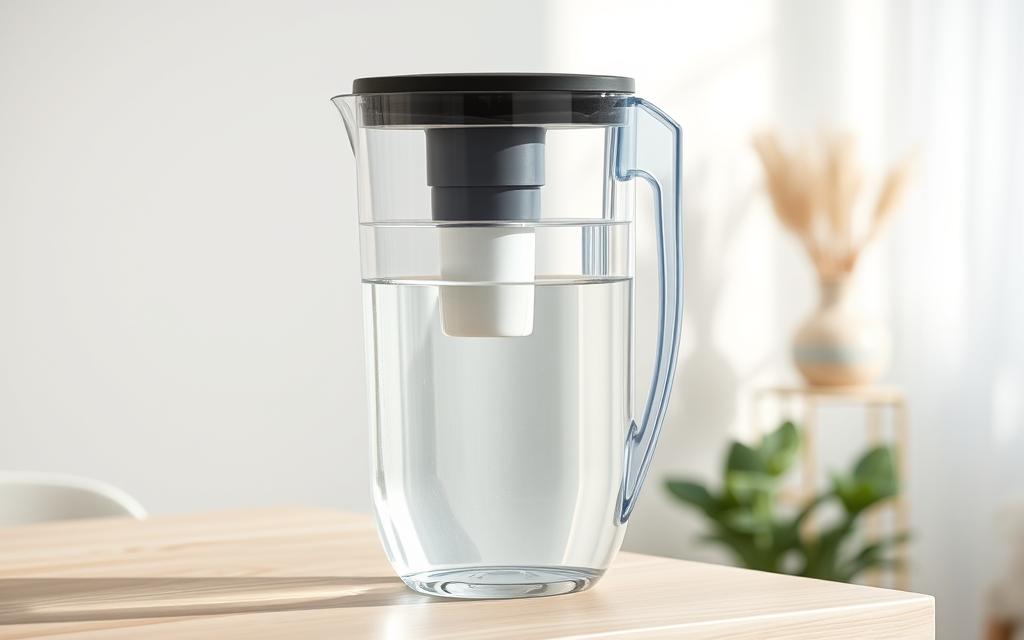
A quality portable filter (hollow-fiber or gravity element) removes bacteria and protozoa and dramatically improves clarity and taste, but most do not remove viruses. The reliable sequence is filter first for clarity, then disinfect for viruses: filter plus bleach, or filter plus boil, covers the full threat list.
What these methods cannot fix
Boiling and disinfection kill germs. They do nothing about fuel, solvents, pesticides, heavy metals like lead, salts, or radioactive materials, and boiling actually concentrates dissolved contaminants slightly as water evaporates. If you suspect chemical contamination, do not drink the water, period; find another source and follow official guidance.
This is the honest limit of home treatment, and it is why stored clean water comes first in every plan on this site: treatment is the backup, storage is the foundation.
Step-by-step: put it into practice
Tick each step off as you complete it. Your progress is saved on this device.
Where to buy: we link brands directly until our affiliate reviews are complete. Current plain links:
Sources
Facts checked against the sources above. Last verified: November 11, 2026. If a figure here ever conflicts with an official source, the official source wins, and we want to hear about it via the contact page.